Mosaic spans an unusually wide stylistic range. The same craft that produced Roman floors and Byzantine domes also produces crisp contemporary graphics, which means the real question is not which style is better but which one belongs in your architecture.
What defines traditional mosaic
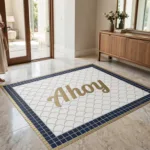
Traditional work favours symmetry, dense ornament and a rich, often jewel-like palette. Geometric borders, floral scrollwork, medallions and figurative scenes are typical. The result is warm, detailed and rooted in history, and it suits period and classical interiors.
What defines modern mosaic
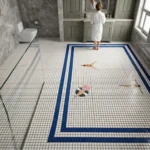
Modern mosaic strips ornament back. It relies on clean geometry, restrained palettes — often two or three tones — larger tiles and negative space. Patterns are graphic rather than decorative, and the finish is architectural. It suits contemporary, minimal and industrial spaces.
Can the two be mixed?
Yes, and often to good effect. A traditional border can frame a modern field; a classic motif can be rendered in a strictly modern palette; a contemporary pattern can be executed in traditional materials. Mixing works best when one element clearly leads and the other supports.
Choosing for your architecture
Let the building decide. Period properties generally carry traditional mosaic more naturally, while new-build and renovated spaces accommodate modern work. Where a room is genuinely neutral, the surrounding furniture and joinery usually indicate the right direction.
Frequently Asked Questions
Can a traditional design be made in a modern colourway?
Yes — pattern and palette are chosen separately, so either can be updated.
Which style is more expensive?
Denser traditional patterns generally involve more cutting and setting, so they tend to cost more per square metre than simpler modern designs.
Featured Products
Contact Us
Interested in a bespoke commission or a bulk order? Tell us the space and the look you have in mind, and we will send a free mock-up.
Email: info@bilitiles.com
Website: https://bilitiles.com