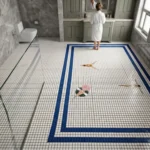
Introduction: Why Mosaic Tiles Are the Professional Choice for Swimming Pools
Swimming pool construction and renovation represent significant capital investments for hotel properties, resort developments, municipal facilities, and high-end residential projects. The interior finish of a pool directly impacts not only the visual character of the installation but also its long-term maintenance requirements, operational costs, and service life. Among the available pool finish options—plaster, aggregate finishes, paint, vinyl liners, and tile—mosaic tile stands out as the premium choice for projects where durability, design flexibility, and long-term value are prioritized.
Mosaic tiles, particularly glass mosaic tiles manufactured specifically for pool applications, offer a unique combination of technical performance and aesthetic versatility that makes them the preferred specification for luxury hotel pools, resort swimming facilities, and high-end residential installations. This comprehensive guide examines the technical specifications, material options, procurement considerations, and installation requirements that architects, engineers, and project managers must understand to specify pool mosaic tiles successfully.
The Technical Case for Mosaic Tiles in Pool Applications
The selection of mosaic tile as a pool finish is grounded in several technical advantages that differentiate it from alternative materials:
Near-Zero Water Absorption: Glass mosaic tiles manufactured for pool use exhibit water absorption rates below 0.1% of their dry weight. This impermeability is critical in swimming pool environments where the tile is continuously submerged. Porous materials absorb pool water containing chlorine, salts, and other treatment chemicals. Over time, this absorbed moisture causes material degradation, staining, and eventual structural failure through freeze-thaw cycling in outdoor installations. Glass mosaic tiles’ impermeability eliminates this failure mode entirely.
Chemical Resistance: Swimming pool water is a chemically aggressive environment. Chlorine-based sanitizers, pH adjusters (muriatic acid, sodium carbonate), algaecides, and other treatment chemicals create conditions that degrade many surface materials. Glass mosaic tiles are inert to these chemicals at normal pool water concentrations. Unlike natural stone tiles that require sealing and are vulnerable to etching from acidic water conditions, or plaster finishes that degrade chemically over 5-7 years, glass mosaic maintains its surface integrity indefinitely when properly installed and maintained.
Thermal Movement Accommodation: Concrete pool shells undergo thermal expansion and contraction as water temperatures fluctuate and ambient conditions change. Large-format tile installations are vulnerable to cracking and delamination when the substrate moves relative to the tile layer. Mosaic tiles, with their small individual tesserae (typically 10-25mm) and numerous grout joints, accommodate thermal movement through the flexibility of the grout matrix. This characteristic makes mosaic tile installations more resistant to thermal cycling damage than large-format porcelain or ceramic tile alternatives.
Design Flexibility: No other pool finish offers the design versatility of mosaic tile. From simple monochromatic waterline borders to elaborate custom medallions spanning the entire pool floor, mosaic tiles can realize virtually any design vision. This capability is particularly valuable in hospitality and resort environments where the pool serves as a visual centerpiece and brand expression.
Types of Swimming Pool Mosaic Tiles: Material Specifications and Performance Characteristics
Pool mosaic tiles are manufactured from several distinct materials, each with specific performance characteristics, aesthetic qualities, and cost implications. Understanding these differences is essential for appropriate specification.
Glass Mosaic Tiles
Glass mosaic tiles represent the dominant specification for swimming pool applications due to their superior technical performance and extensive color range. Pool-grade glass mosaic tiles are manufactured through one of two primary processes:
Fused Glass Process: Raw glass materials are melted at temperatures between 800°C and 1000°C and formed into sheets that are subsequently cut into individual tesserae. Fused glass tiles exhibit consistent color throughout the tile body, smooth surface finishes, and excellent chemical resistance. This manufacturing process produces tiles with water absorption below 0.1%, making them suitable for continuous submersion.
Sintered Glass Process: Fine glass particles are compressed under high pressure and heated to fuse the particles without fully melting the glass. Sintered glass tiles have a slightly textured surface and a more matte appearance than fused glass. Some specifiers prefer sintered glass for pool floor applications where additional texture provides slip resistance.
Glass Mosaic Specifications for Pool Use:
| Property | Specification | Test Method |
|---|---|---|
| ———- | ————— | ————- |
| Water Absorption | ≤ 0.1% | ISO 10545-3 |
| Chemical Resistance | Class A (no visible effect) | ISO 10545-13 |
| Thermal Shock Resistance | No cracks after 10 cycles | ISO 10545-9 |
| Crazing Resistance | No crazing after 5 cycles | ISO 10545-11 |
| Frost Resistance (outdoor pools) | No damage after 100 cycles | ISO 10545-12 |
| Breaking Strength | ≥ 24.5 MPa | ISO 10545-4 |
Ceramic Mosaic Tiles
Ceramic mosaic tiles are manufactured from clay bodies that are shaped, dried, glazed, and fired at temperatures between 900°C and 1200°C. While ceramic mosaics are widely available and cost-effective, they have important limitations for pool applications:
Higher Water Absorption: Even high-fired ceramic tiles typically exhibit water absorption between 0.5% and 3%, significantly higher than glass mosaic. This absorption makes ceramic tiles more vulnerable to freeze-thaw damage in outdoor pools and can lead to staining and degradation over time.
Glaze Durability: The glaze surface of ceramic tiles provides chemical resistance and color, but glaze can craze, crack, or wear over time, particularly in high-traffic pool environments. Pool chemicals and UV exposure can accelerate glaze degradation.
Cost Advantage: Ceramic mosaic tiles typically cost 30-50% less than comparable glass mosaic specifications. For budget-conscious projects, indoor pools, or applications where the tile will not be continuously submerged (waterline borders above the water level), ceramic mosaic can be an appropriate specification.
Natural Stone Mosaic Tiles
Natural stone mosaics—marble, travertine, granite, and slate—offer unique aesthetic qualities but require careful consideration for pool applications:
Porosity: All natural stones are porous to some degree. Marble and travertine are particularly vulnerable to water absorption and chemical attack from pool water. Without comprehensive sealing and regular maintenance, natural stone mosaics in pools will stain, etch, and degrade.
Maintenance Requirements: Natural stone pool mosaics require sealing before installation (six-sided sealing), periodic resealing during service life, and careful pH management of pool water to prevent etching. This maintenance burden makes natural stone unsuitable for most commercial pool applications.
Aesthetic Value: Despite the maintenance challenges, natural stone mosaics are specified for high-end residential pools and luxury hospitality projects where the unique beauty of natural material justifies the additional care required. When specifying natural stone for pools, select dense, low-porosity varieties (granite, quartzite) and implement comprehensive maintenance protocols.
Porcelain Mosaic Tiles
Porcelain mosaic tiles occupy a middle ground between glass and ceramic mosaics:
Low Water Absorption: Porcelain tiles are manufactured from refined clay fired at very high temperatures (1200-1400°C), producing a dense, vitrified body with water absorption below 0.5%. This makes porcelain suitable for pool applications, though not as impermeable as glass.
Through-Body Color: Unlike glazed ceramic where the color is only in the surface glaze, porcelain tiles can be manufactured with through-body color that extends throughout the tile. This characteristic means that chips or scratches are less visible on through-body porcelain.
Large Format Availability: Porcelain mosaics are available in larger tesserae sizes (25-50mm) that can be appropriate for pool walls and waterlines where smaller glass tesserae would be visually too busy.
Pool Mosaic Applications: Where and How Mosaic Tiles Are Used
Mosaic tiles serve multiple distinct functions in swimming pool installations. Understanding these applications informs appropriate material selection and specification.
The same mosaic design language extends beyond the pool shell: explore our guide to pool-themed bathroom design to carry the aquatic aesthetic through adjacent spaces.
Waterline Mosaic Tiles
The waterline—the zone approximately 15-30cm above and below the normal water level—is the most visually prominent area of a pool mosaic installation. Waterline tiles serve both aesthetic and functional purposes:
Visual Framing: Waterline tiles create a deliberate visual boundary between the water surface and the pool deck or coping. This framing effect defines the pool’s visual presence and can be designed to complement or contrast with surrounding materials.
Practical Maintenance: The waterline area is vulnerable to staining from body oils, sunscreen, and other contaminants that float on the water surface. Glass mosaic tiles at the waterline are easy to clean and resist staining, maintaining their appearance with routine maintenance.
Design Approaches: Waterline mosaic design typically follows one of several approaches:
- Single-color border: A simple band of glass mosaic in a solid color (typically blue, white, or black) creates a clean, contemporary appearance.
- Multi-stripe border: Two or three parallel bands in different colors add visual interest without complexity.
- Patterned border: Geometric or wave patterns create a more decorative waterline treatment.
- Custom pictorial border: For luxury projects, custom-designed borders featuring maritime motifs, botanical elements, or brand imagery create distinctive visual impact.
Pool Floor and Wall Mosaics
Below the waterline, mosaic tiles cover the pool’s interior surfaces. The design approach for these areas balances aesthetic objectives with practical considerations:
Uniform Color: The most common specification for pool interiors is a uniform color—typically a shade of blue that enhances the water’s natural color. Lighter blues create a Mediterranean aesthetic; darker blues suggest greater depth and a more dramatic appearance.
Gradient Effects: Some designs specify color gradients that transition from lighter shades in shallow areas to darker blues in deep areas. This gradient visually reinforces the depth variation and creates a more dynamic appearance.
Floor Medallions: Custom mosaic medallions installed on the pool floor create dramatic focal points. These medallions can incorporate brand logos, artistic imagery, or decorative patterns. Floor medallions require careful engineering to ensure adequate slip resistance and proper integration with the surrounding tile field.
Wall Murals: On pool walls, mosaic murals can depict underwater scenes, abstract compositions, or representational imagery. Wall murals are fully visible and can be as elaborate as project budgets allow.
Spa and Wellness Area Mosaics
Spa pools, hot tubs, and wellness facilities have specific requirements that influence mosaic specification:
Higher Temperatures: Spa water temperatures (35-40°C) accelerate chemical reactions and thermal movement. Mosaic tiles and grout must be rated for elevated temperature service.
More Intensive Chemical Exposure: Spa water typically has higher sanitizer concentrations than pools due to the higher bather load per unit volume. Glass mosaic tiles’ chemical resistance is particularly valuable in spa applications.
Design Integration: Spa mosaics should coordinate with the main pool mosaic while potentially introducing distinct colors or patterns that differentiate the spa area.
Technical Specifications: What Architects and Engineers Need to Specify
Successful pool mosaic specification requires explicit documentation of technical requirements. The following specifications should be included in project documentation:
Material Specifications
Glass Mosaic Tile Specification:
Pool Interior Mosaic Tile – Glass

Material: Fused glass mosaic tile manufactured specifically for swimming pool use

Tesserae size: [10x10mm / 15x15mm / 20x20mm / 23x23mm] as indicated on drawings

Sheet size: [305x305mm / 327x327mm] on fiber mesh backing

Thickness: [4mm / 6mm / 8mm] minimum

Water absorption: ≤ 0.1% per ISO 10545-3

Chemical resistance: Class A per ISO 10545-13 (no visible effect from pool chemicals)

Thermal shock resistance: No cracks after 10 cycles per ISO 10545-9

Frost resistance: No damage after 100 cycles per ISO 10545-12 (for outdoor pools)

Breaking strength: ≥ 24.5 MPa per ISO 10545-4

Surface finish: [Glossy / Matte / Iridescent] as selected

Color: [Specify color code or provide sample]

Manufacturer: [Approved manufacturer list]
Grout Specifications
Pool mosaic grout must withstand continuous submersion, chemical exposure, and thermal cycling. Epoxy grout is the standard specification for pool mosaic installations:
Epoxy Grout Specification:
Pool Mosaic Grout – Epoxy

Type: Two-component epoxy grout designed for submerged applications

Chemical resistance: Resistant to chlorine, bromine, salts, and common pool chemicals

Water absorption: ≤ 0.05% when cured

Minimum joint width: [2mm / 3mm] as required by tile size

Color: [Specify color – typically white, light gray, or matching tile color]

Working time: Minimum 45 minutes at 23°C

Full cure time: 7 days before pool filling

Manufacturer: [Approved manufacturer list – e.g., Laticrete Spectralock, Mapei Kerapoxy]
Waterproofing Specification
The waterproofing layer beneath pool mosaic tiles is critical to the installation’s long-term performance. Waterproofing failures cause tile delamination, structural damage to the pool shell, and water loss:
Waterproofing Specification:
Pool Waterproofing System

Type: Cementitious crystalline waterproofing or flexible polymer membrane

Application: Two-coat application to all pool surfaces before tiling

Thickness: Minimum [2mm / 3mm] dry film thickness

Cure time: Minimum 7 days before tile installation

Compatibility: Verified compatible with tile adhesive and substrate

Testing: Flood test before tile installation to verify water tightness

Manufacturer: [Approved manufacturer list – e.g., Mapei Mapelastic, Laticrete Hydro Ban]
Adhesive Specification
Tile adhesive for pool mosaics must bond permanently under submerged conditions:
Adhesive Specification:
Pool Mosaic Adhesive

Type: Polymer-modified cementitious thinset rated for submerged applications

Classification: Class C2TE per ISO 13007 (improved cementitious adhesive with extended open time and reduced slip)

Color: White (required for glass mosaic to prevent show-through)

Working time: Minimum 30 minutes

Full cure time: Minimum 24 hours before grouting

Application method: Double-buttering (adhesive on substrate and back of mosaic sheet)

Manufacturer: [Approved manufacturer list]
Procurement Guide: Selecting a Pool Mosaic Supplier
The selection of mosaic tile supplier significantly impacts project quality, cost, and timeline. This section provides guidance for evaluating and selecting suppliers for commercial pool projects.
Supplier Evaluation Criteria
Manufacturing Quality Control: Request documentation of the supplier’s quality control processes, including:
- ISO 9001 certification or equivalent quality management system
- Production batch tracking and traceability
- Quality inspection protocols and rejection rates
- Third-party testing reports for critical specifications (water absorption, chemical resistance, breaking strength)
Pool-Specific Experience: Evaluate the supplier’s track record with swimming pool projects:
- Request references from comparable completed projects (similar scale, similar application)
- Verify that the supplier’s products are specified by recognized pool construction firms
- Check for experience with the specific requirements of your project (exterior/interior, freeze-thaw climate, high-traffic commercial use)
Product Certifications: Verify that products carry appropriate certifications for the project requirements:
- CE marking for European projects
- ANSI standards compliance for North American projects
- FINA (International Swimming Federation) approval for competition pool applications
- Additional certifications as required by local building codes
Production Capacity and Lead Time: For commercial projects, verify that the supplier can meet project requirements:
- Monthly production capacity (should exceed project requirements by significant margin to ensure availability)
- Standard lead times for stock items and custom orders
- Ability to produce entire project from single production batch (critical for color consistency)
- Track record of on-time delivery for comparable projects
Technical Support: Evaluate the level of technical support provided:
- Availability of technical representatives for specification consultation
- Installation guidance and detail drawings
- On-site technical support for large or complex projects
- Response time for technical inquiries
Sample Verification Process
Before finalizing specification, request and evaluate physical samples:
Color and Finish Verification:
- Request full-size sheet samples (not just individual tesserae)
- Evaluate samples under lighting conditions similar to the project installation
- For color-critical applications, request samples from multiple production lots to assess color variation
- Verify that the specified finish (gloss, matte, iridescent) matches expectations
Quality Inspection:
- Check for consistent tesserae size and shape across the sample sheet
- Verify that tesserae are securely bonded to mesh backing
- Look for surface defects (scratches, chips, color irregularities)
- For glass mosaic, check for bubbles or inclusions that affect appearance
Performance Verification:
- Request copies of test reports for the specific product being specified
- Verify that test results meet or exceed project requirements
- For critical applications, consider independent testing of samples
Color Consistency and Batch Management
Color variation between production batches is a critical consideration for pool mosaic procurement:
Single-Batch Production: For projects where absolute color consistency is required, specify that all mosaic tile for the project must come from a single production batch. This requires:
- Accurate quantity take-off with appropriate waste allowance (typically 10-15% for pool mosaics)
- Early coordination with supplier to schedule production
- Potential premium for single-batch production for large orders
Batch Tolerance: If single-batch production is not feasible, establish acceptable batch variation limits:
- Request batch-to-batch color variation data from supplier
- For glass mosaic, typical batch variation is ΔE ≤ 1.5 (just noticeable difference)
- Specify that batches must be approved before production and that tiles from different batches should not be installed in the same visual plane
Batch Blending: For very large installations where multiple batches are unavoidable:
- Specify that tiles from different batches should be blended during installation
- This requires additional installation labor but distributes color variation throughout the installation
- Not recommended for custom patterns or medallions where color consistency is critical
Installation Best Practices: Ensuring Long-Term Performance
Pool mosaic installation is specialized work requiring experienced contractors and rigorous quality control. This section outlines critical installation requirements.
Substrate Preparation
The concrete pool shell must meet specific requirements before waterproofing and tile installation:
Surface Tolerance: The substrate must be sufficiently flat to receive mosaic tile without excessive adhesive thickness variation:
- Surface deviation from a 2-meter straightedge: ≤ 6mm
- Localized deviations: ≤ 3mm from intended profile
Surface Condition:
- Concrete must be fully cured (minimum 28 days for standard concrete)
- Surface must be clean, dry, and free of dust, oil, curing compounds, and loose material
- Surface profile should provide mechanical key for adhesive bond (ICRI CSP 3-5)
- Any cracks, honeycombing, or surface defects must be repaired before waterproofing
Moisture Condition:
- Concrete moisture content should be verified before tile installation
- For swimming pools, the waterproofing layer typically isolates the tile installation from concrete moisture
Waterproofing Application
Waterproofing is the most critical component of a pool mosaic installation. Failures in waterproofing cause catastrophic damage that requires complete removal and reinstallation:
Application Requirements:
- Apply waterproofing to all pool surfaces, including walls, floors, benches, stairs, and all penetrations
- Pay particular attention to corners, changes of plane, and joints—these are the most vulnerable areas
- Install reinforcement fabric at all corners, joints, and penetrations as specified by waterproofing manufacturer
- Apply two coats at right angles to each other, achieving specified dry film thickness
- Allow full cure before subsequent operations
Quality Control:
- Verify dry film thickness at multiple locations
- Conduct flood test (fill pool with water and monitor for leakage) before proceeding with tile installation
- Document all quality control measures with photographs and written records
Tile Installation
Layout and Setting:
- Establish control lines based on pool geometry and tile module size
- Begin installation from the lowest point (main drain) and work upward
- Install waterline tile last, after all submerged areas are complete
- Use laser levels and string lines to maintain alignment
Adhesive Application:
- Apply adhesive using notched trowel of specified size (typically 4x4mm or 6x6mm for mosaic)
- Work in areas small enough to complete before adhesive skins over (typically 1-2 m²)
- Back-butter mosaic sheets by applying thin adhesive layer to back of sheet
- Place sheets firmly into adhesive bed and beat in with rubber grout float
- Remove excess adhesive from joints before it cures
Curing:
- Protect installation from traffic, water, and vibration during cure
- Minimum cure time before grouting: 24 hours at 23°C (longer in cold conditions)
- Verify that adhesive is fully cured before proceeding
Grouting
Application:
- Mix epoxy grout according to manufacturer’s instructions, observing pot life limitations
- Apply grout using rubber float, working diagonally across tile joints
- Ensure all joints are completely filled—voids in pool grout lead to future failures
- Remove excess grout from tile surface before it cures
Cleaning:
- Begin cleaning when grout has reached initial set (typically 20-45 minutes depending on product)
- Use damp sponge, working diagonally to avoid pulling grout from joints
- Change rinse water frequently to prevent grout residue on tile surface
- Final cleaning with manufacturer’s recommended cleaner may be required after full cure
Curing:
- Protect grout from water contact during cure
- Minimum cure before water filling: 7 days for epoxy grout
- Longer cure may be required in cold conditions or for specific products
Final Steps
Expansion Joints:
- Install flexible sealant at all expansion joint locations
- Do not bridge expansion joints with rigid tile or grout
- Use pool-grade silicone or polyurethane sealant compatible with pool chemicals
Pool Filling:
- Fill pool slowly to equalize temperature and avoid thermal shock
- Do not direct water stream against fresh tile or grout
- Monitor water chemistry closely during first weeks of service
Cost Analysis: Budgeting for Pool Mosaic Projects
Pool mosaic project costs vary significantly based on material selection, design complexity, and project scale. This section provides cost guidance for budgeting purposes.
Material Cost Ranges
Costs are provided in USD per square meter of installed mosaic, including tile, grout, and adhesive. Costs exclude waterproofing, substrate preparation, and contractor overhead and profit.
| Material Type | Low Specification | Medium Specification | High Specification |
|---|---|---|---|
| ————— | ——————- | ———————- | ——————— |
| Glass Mosaic (stock colors) | $25-35/m² | $35-50/m² | $50-80/m² |
| Glass Mosaic (premium colors) | $40-60/m² | $60-90/m² | $90-150/m² |
| Ceramic Mosaic | $15-25/m² | $25-40/m² | $40-60/m² |
| Porcelain Mosaic | $30-45/m² | $45-70/m² | $70-100/m² |
| Natural Stone Mosaic | $50-80/m² | $80-150/m² | $150-300/m² |
| Custom Medallion (simple) | $200-400/m² | $400-800/m² | $800-1500/m² |
| Custom Medallion (complex) | $500-1000/m² | $1000-2000/m² | $2000-5000/m² |
Cost Drivers
Several factors significantly impact pool mosaic project costs:
Material Selection: Glass mosaic from major manufacturers in standard colors is most cost-effective. Premium colors (metallic, iridescent), custom formulations, and artisan products carry significant premiums.
Design Complexity: Simple, single-color installations are most economical. Patterned borders, multiple colors, and custom designs require more material, more installation labor, and more coordination.
Project Scale: Larger projects benefit from economies of scale in material procurement, production, and installation. However, very large projects may require multiple production batches, potentially affecting color consistency.
Installation Complexity: Pools with complex geometry (curved walls, multiple levels, extensive benches and stairs) require more installation labor and generate more waste than simple rectangular pools.
Location: Projects in remote locations or areas with limited pool construction labor may face premium costs for logistics and labor.
Total Installed Cost Estimation
For preliminary budgeting, total installed cost (including all materials, labor, contractor overhead and profit) can be estimated as:
Total Installed Cost = Material Cost × 2.5 to 3.5
The multiplier varies based on:
- Project complexity (higher multiplier for complex installations)
- Local labor costs
- Contractor markup
- Project location and logistics
Case Studies: Pool Mosaic Projects in Practice
Case Study 1: Luxury Hotel Pool – Dubai
Project: 5-star hotel pool, 25m × 12m, outdoor, year-round operation
Specification:
- Glass mosaic tile, 23x23mm tesserae, light blue
- Custom brand logo medallion on pool floor (3m diameter)
- Patterned waterline border in two-tone blue
- Epoxy grout, white
- Total mosaic area: 450 m²
Challenges:
- High ambient temperatures during construction
- Strict color matching requirement for brand consistency
- Complex pool geometry with infinity edge
Solution:
- Single-batch production for color consistency
- Extended cure times for adhesive and grout due to high temperatures
- Specialized installation contractor with hospitality experience
- On-site technical support from tile manufacturer
Outcome:
- Installation completed in 6 weeks
- Zero callbacks or warranty issues in first 3 years of operation
- Pool featured in hotel marketing photography
Case Study 2: Municipal Aquatic Center – Canada
Project: Public aquatic facility, 50m competition pool + leisure pool, indoor, freeze-thaw climate
Specification:
- Glass mosaic tile, 20x20mm, dark blue for competition pool
- Multiple colors for leisure pool features
- FINA-approved tile for competition lanes
- Epoxy grout, light gray
- Total mosaic area: 1,800 m²
Challenges:
- FINA approval required for competition pool
- Aggressive water chemistry due to high bather load
- Budget constraints for public project
Solution:
- FINA-approved tile from established manufacturer
- Robust epoxy grout specification for chemical resistance
- Competitive bidding with pre-qualification of contractors
- Value engineering to optimize design within budget
Outcome:
- Project delivered on budget
- Facility hosted regional competition 6 months after completion
- Minimal maintenance issues reported
Case Study 3: Private Villa Pool – Mediterranean
Project: High-end residential pool, 15m × 6m, outdoor, seasonal use
Specification:
- Glass mosaic tile, 10x10mm tesserae, gradient blue
- Natural stone (marble) waterline feature
- Custom mosaic mural on feature wall (8m²)
- Epoxy grout, matching colors
- Total mosaic area: 120 m²
Challenges:
- Demanding aesthetic requirements
- Natural stone maintenance in pool environment
- Custom mural design and fabrication
Solution:
- Close collaboration between architect, interior designer, and mosaic artist
- Premium marble selected and comprehensively sealed
- Custom mural fabricated off-site and installed in panels
- Detailed maintenance protocol provided to homeowner
Outcome:
- Installation exceeded client expectations aesthetically
- Annual maintenance required for natural stone elements
- Project featured in architectural publication
Frequently Asked Questions
Q: How long does pool mosaic tile last?
A: Properly specified and installed glass mosaic tile in swimming pools can last 25-50 years or more. The tile itself is essentially permanent—the limiting factors are the waterproofing layer, adhesive, and grout. Epoxy grout can last 20+ years in pool conditions. The waterproofing layer is the most vulnerable component and should be selected and installed with particular care.
Q: Can any glass mosaic tile be used in pools?
A: No. Only glass mosaic tiles specifically manufactured and tested for pool use should be specified. Pool-grade tiles are tested for water absorption, chemical resistance, thermal shock, and other properties relevant to submerged service. Decorative glass mosaics intended for interior wall applications may not meet these requirements.
Q: What is the difference between pool mosaic and regular mosaic tile?
A: Pool mosaic tiles are manufactured to higher technical standards than general-purpose mosaic tiles. Key differences include:
- Lower water absorption (≤ 0.1% vs. ≤ 0.5% for standard glass mosaic)
- Higher chemical resistance requirements
- Thermal shock resistance testing
- Frost resistance for outdoor applications
- Mesh backing designed for submerged service
Q: How do I choose the right color for my pool mosaic?
A: Pool mosaic color selection affects both aesthetics and practical considerations:
- Blue tiles enhance and reinforce the natural blue color of water
- Lighter colors make the water appear lighter and more tropical
- Darker colors create a more dramatic appearance and suggest greater depth
- White tiles create a Mediterranean aesthetic but show dirt and scale more readily
- Black tiles create a mirror-like water surface but absorb heat and can be uncomfortably warm in sunny locations
Request full-size samples and view them in conditions similar to your pool (under water, with your anticipated lighting) before finalizing color selection.
Q: Can mosaic tiles be installed over existing pool finishes?
A: In some cases, yes, but this approach carries risks. Installing mosaic tile over existing finishes (plaster, paint, old tile) requires:
- Sound, well-bonded existing finish with no hollow areas
- Appropriate surface preparation (grinding, scarifying, priming)
- Compatibility verification between new adhesive and existing finish
- Acknowledgment that the existing finish represents an additional layer that could fail
For commercial projects and quality-critical installations, complete removal of existing finishes to the concrete substrate is recommended.
Q: What maintenance does pool mosaic tile require?
A: Pool mosaic tile requires minimal maintenance compared to alternative pool finishes:
- Routine cleaning: Brush pool walls and floor weekly to prevent scale and algae accumulation
- Waterline cleaning: Clean waterline tile regularly to remove oils and contaminants
- Grout inspection: Annually inspect grout for cracks, erosion, or staining
- Professional inspection: Every 3-5 years, have a pool tile specialist inspect the installation
Avoid abrasive cleaners and tools that could damage tile or grout surfaces.
Conclusion: Specifying Pool Mosaic for Project Success
Pool mosaic tile represents a significant investment that, when properly specified and installed, delivers exceptional long-term value. The key success factors are:
- Appropriate Material Selection: Choose pool-grade glass mosaic from reputable manufacturers with demonstrated experience in swimming pool applications.
- Comprehensive Specification: Document all technical requirements including material properties, waterproofing, adhesive, and grout specifications.
- Qualified Suppliers: Select suppliers with appropriate certifications, production capacity, and technical support capabilities.
- Experienced Contractors: Engage tile installation contractors with specific experience in pool mosaic installation and references from comparable projects.
- Rigorous Quality Control: Implement quality control at every stage—substrate preparation, waterproofing, tile installation, and grouting—with documentation and testing.
- Realistic Budgeting: Understand the cost drivers and budget appropriately for the quality level required by the project.
For architects, engineers, and project managers working on swimming pool projects, this guide provides the technical foundation needed to specify mosaic tile successfully. For specific project requirements, consult with tile manufacturers, waterproofing specialists, and experienced pool tile contractors to develop specifications tailored to your project’s unique conditions.
About BiliTiles: BiliTiles is a professional mosaic tile manufacturer based in Foshan, China, with over 15 years of experience supplying glass mosaic, ceramic mosaic, and natural stone mosaic products for swimming pool, hospitality, and commercial projects worldwide. Our products meet international quality standards including ISO, CE, and FINA certifications. For technical support, samples, or project consultation, contact our engineering team at info@bilitiles.com or visit www.bilitiles.com.
Related: Learn more about custom mosaic lettering design and installation for commercial and residential spaces.
Related Guides:
- Hotel Mosaic Procurement Guide – Comprehensive sourcing guide for hospitality projects
- Mosaic Tile Installation Tutorial – Step-by-step installation instructions
- Glass Mosaic Buying Guide – Material selection for pool applications
- Foshan Mosaic Factory Guide – Source quality tiles from China’s ceramic capital
Pool Mosaic Tile Sourcing: Why Work Directly with a Foshan Factory
For commercial pool mosaic projects, sourcing directly from a Foshan mosaic factory in China’s ceramic capital offers significant cost and quality advantages. Foshan manufacturers specialize in producing large volumes of swimming pool mosaic tiles that meet international standards including ASTM C1026 for freeze-thaw resistance and ANSI A137.1 for ceramic tile specifications.
When evaluating a Foshan factory for your pool mosaic procurement, request the following: third-party lab reports for water absorption (should be below 0.5% for pool use), mesh-mounted sample panels for installation testing, and references from similar commercial pool projects. Lead times from Foshan typically range from 4-8 weeks for standard pool mosaic collections, with custom designs requiring 8-12 weeks including sampling phases.
BiliTiles, as a Foshan-based mosaic factory with over 15 years of commercial project experience, provides complete procurement support for swimming pool mosaic tiles鈥攆rom initial specification review to QC inspection before shipment and installation guidance during on-site execution.
For wellness centers and commercial facilities, mosaic art can transform functional pools into signature experiences — see how the Swimmers series redefines commercial wellness design.
Conclusion
Swimming pool mosaic tiles represent the gold standard for commercial pool finishes. Their combination of durability, chemical resistance, aesthetic flexibility, and long-term cost efficiency makes them the preferred choice for hotel chains, resort developers, and municipal aquatic centers worldwide. By understanding pool zone requirements, material specifications, and installation best practices, project teams can ensure successful mosaic installations that maintain their beauty for decades.